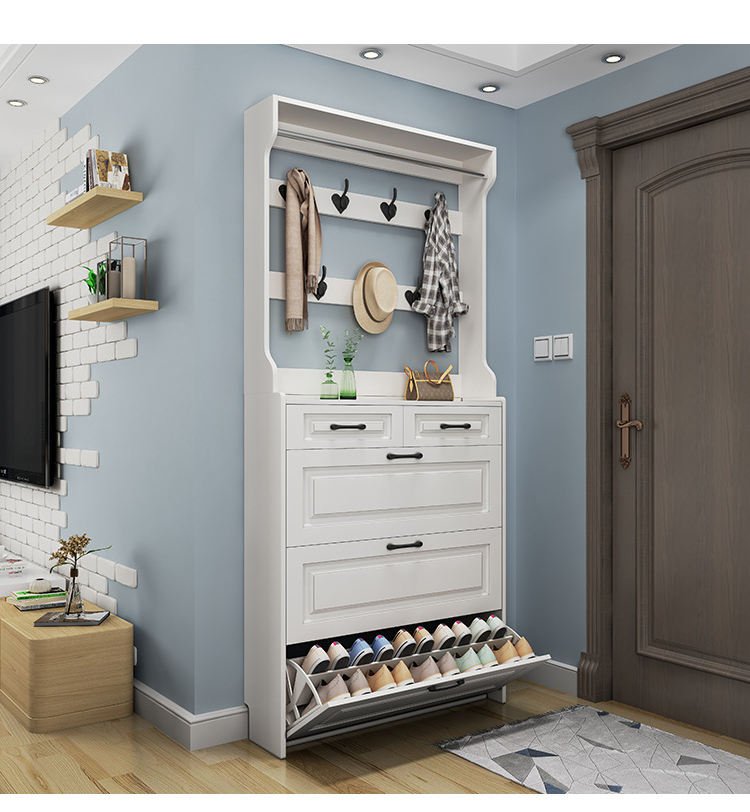
The Enduring Appeal of Solid Wood
Solid wood furniture continues to dominate the global home market because it represents durability, authenticity, and long-term value. Unlike engineered alternatives, solid wood is cut from natural timber, maintaining structural integrity and natural grain patterns. This construction allows furniture pieces to last for decades, often becoming generational assets rather than disposable household items.
Buyers in North America and Western Europe increasingly prefer products that offer longevity over short lifecycle consumption. Solid wood fits that expectation precisely.
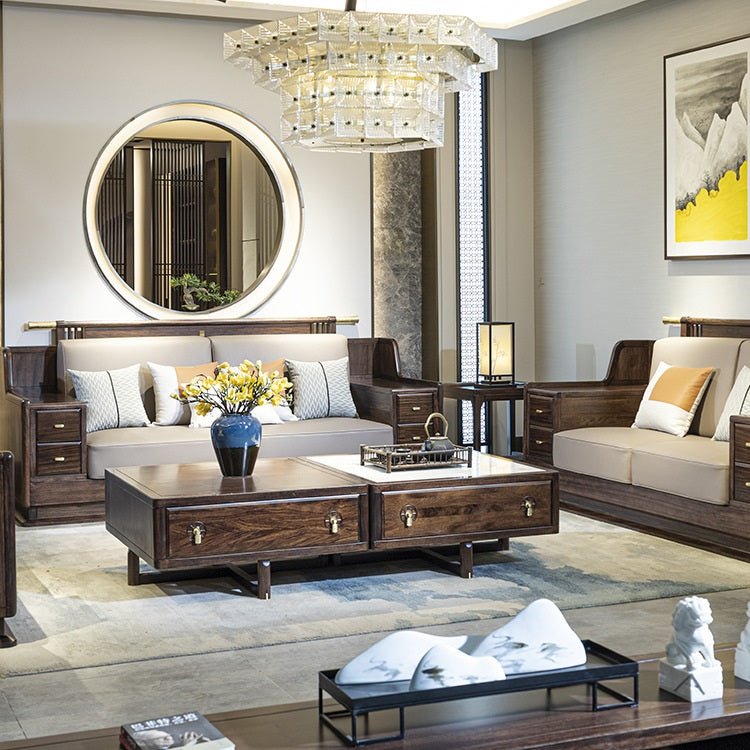
Sustainability Drives Modern Purchasing Decisions
Environmental responsibility now plays a central role in furniture procurement decisions. Solid wood furniture, when sourced from responsibly managed forests, aligns with sustainability standards demanded by global markets.
Consumers are paying closer attention to FSC-certified materials, low-VOC finishes, and ethical supply chains. Manufacturers that provide traceability and transparent sourcing documentation gain stronger credibility in international trade.
Customization and Design Flexibility
Another reason for the sustained leadership of solid wood furniture is its adaptability. Solid timber allows modification in dimensions, finishes, textures, and joinery techniques without compromising strength.
Retail brands and wholesalers increasingly request OEM and ODM customization to match evolving interior trends. Solid wood supports minimalist Scandinavian styles, modern industrial themes, and classic European aesthetics with equal versatility.
Long-Term Value Over Low Initial Cost
Although solid wood furniture typically carries a higher upfront price, it offers superior cost efficiency over time. Lower maintenance requirements and extended product lifespan reduce replacement frequency.
For distributors and retailers, this translates into stronger brand positioning in the premium segment.