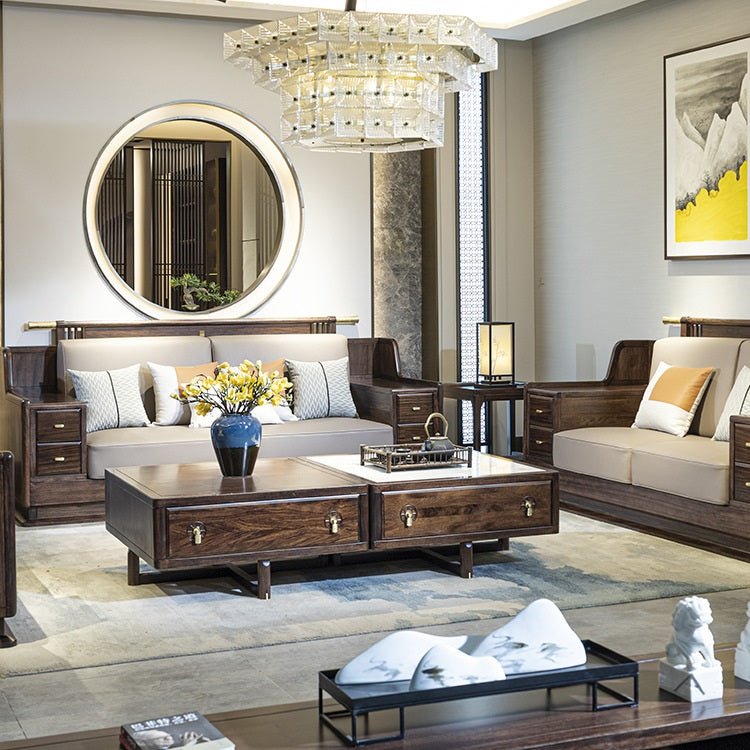
Surface finishing plays a structural role in solid wood furniture manufacturing. It is not simply a decorative layer applied at the final stage of production. A properly engineered finishing system functions as a protective barrier that stabilizes the material against environmental stress.
Solid wood is hygroscopic by nature. It absorbs and releases moisture depending on surrounding humidity conditions. Without adequate sealing, this natural behavior can lead to dimensional instability, including expansion, contraction, surface cracking, joint separation, and long-term warping.
Professional finishing systems create a controlled surface film that slows moisture exchange. This regulation reduces internal stress within the wood structure. In export-oriented furniture production, this protection is especially critical because products must withstand varying climate conditions during shipping and installation.
In addition to moisture control, surface coatings protect against ultraviolet radiation, surface abrasion, chemical exposure, and daily wear. For high-use furniture categories, finishing quality directly determines service life.
Enhancing Visual Depth and Material Authenticity
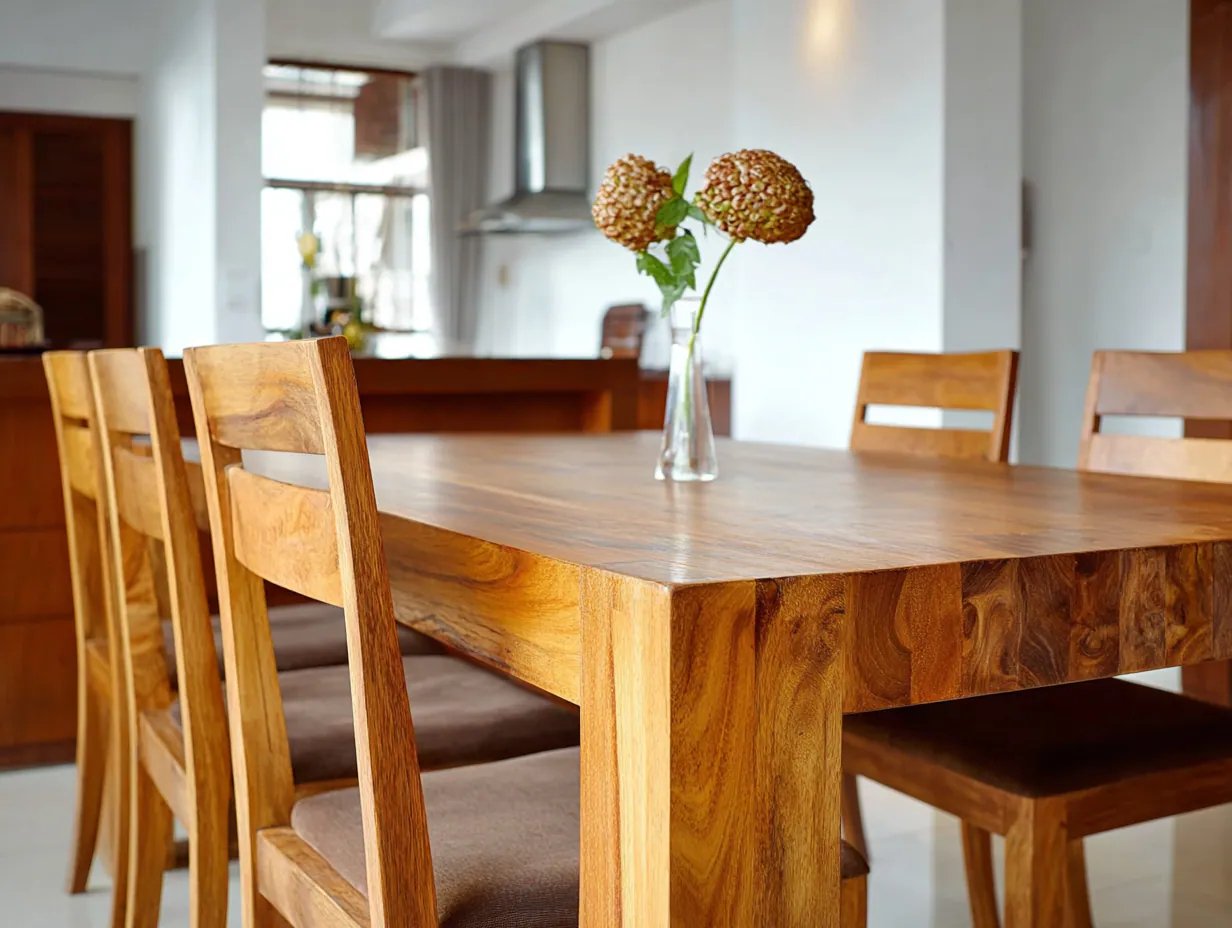
Beyond protection, surface finishing defines the aesthetic identity of solid wood furniture. The right finishing system enhances grain clarity, highlights natural color variation, and creates visual depth that cannot be replicated by artificial veneers.
Oil-based finishes penetrate into the wood fibers and enrich natural tone while maintaining a tactile, organic feel. Lacquer systems form a smooth surface film that delivers uniform gloss and clarity. Polyurethane coatings provide a durable protective layer suitable for heavy-use surfaces.
Sheen level also influences perception. Matte finishes communicate natural authenticity. Semi-gloss and high-gloss finishes convey contemporary refinement. The choice affects how the product is positioned in premium, mid-range, or functional market segments.
In competitive global markets, visual presentation plays a decisive role in buyer decision-making. A well-executed finish elevates perceived product value significantly.
Performance-Based Finish Selection
Surface finishing should always be selected according to application requirements rather than aesthetic preference alone. Different furniture categories face distinct environmental and mechanical stresses.
Dining tables require strong abrasion resistance and chemical resistance due to frequent cleaning and contact with food or liquids. High-solid polyurethane or advanced UV-cured coatings are often preferred for durability.
Bathroom furniture demands superior moisture resistance. Coating systems must prevent water penetration and resist humidity fluctuations to avoid edge swelling or coating delamination.
Decorative cabinets and low-traffic furniture prioritize visual clarity and fine surface texture. In these cases, thin lacquer systems may be more suitable to preserve grain visibility.
Selecting the correct coating system reduces after-sales complaints, minimizes warranty claims, and improves long-term customer satisfaction. In OEM and ODM projects, finish selection is often part of product positioning strategy.
Process Control and Finishing Quality Management
Surface finishing represents one of the most technically sensitive stages in wood furniture manufacturing. It typically accounts for a significant portion of production cost due to material consumption, labor intensity, and environmental control requirements.
Dust control is essential. Even minor airborne particles can compromise surface smoothness and visual uniformity. Professional factories implement enclosed spray booths with filtration systems to maintain clean finishing environments.
Curing time and temperature must be strictly monitored. Insufficient curing reduces hardness and adhesion strength. Excessive curing can cause brittleness or discoloration.
Coating thickness is measured to ensure consistent protective performance. Uneven application can lead to premature wear or surface cracking.
For export markets, compliance with environmental standards is also critical. Low-VOC formulations and regulated chemical content ensure conformity with North American and European regulations.
Consistent finishing quality ensures that furniture maintains structural stability and aesthetic appeal across diverse climate conditions.